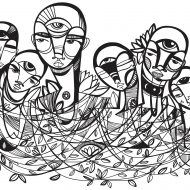
This piece makes the point that “there is no such thing as a single-issue struggle because we do not live single-issue lives.” Lorde finds this to be a central issue when looking back on what happened in the 60s. She describes feelings of animosity within the black rights movement that went horizontal–all different black groups were so focused on an oppression olympics that made it even more difficult to organize and stand together against racism. Who is poorer and who is blacker took a lot of energy away from making productive change. There is no one solution to racism, this is true, but instead of turning on each other that anger should be used to turn against the oppressors. This piece is trying to intervene in the fighting amongst people of color that distracts from fighting racism. Efforts to reclaim the future cannot be private or individual–everyone has to work together to make change. “Hopefully, we can learn from the 60s that we cannot afford to do our enemies’ work by destroying each other.”
Something that excited me was when Lorde said it is important “Not to believe that revolution is a one-time event, or something that happens around us rather than inside of us,” (141). The idea that revolution is something that happens inside of us is so powerful. It is up to us to decide change needs to be made. It is internal when we communicate the need for change with each other and it is something we have to decide we are fully committed to doing. It happens on an individual level with people deciding they will no longer stand for injustice and then within groups as the ideas spread and people come together to fight oppression. Revolution being inside of us is an exciting idea. You can’t just wait to watch it happen around you, or it will never happen.
I think in class a good thing to talk about may be discussing how we can each personally learn from history and build the tools to recognize issues of infighting and how to deal with them. Maybe discuss how to better listen and constructively deal with our own feelings in a way that would be productive to change instead of just theoretically. Do we in our own lives participate in behaviors that put down other oppressed groups? How do we acknowledge and fix this? What can we do to help?

Hi Amanda,
I really liked this reading. I completely agree with Lorde in that the ’60s really were a “single issue” era that separated a lot of groups when really they should have been uniting. This can be seen today, especially with the “oppression Olympics” that you mention. I loved the quote about revolution and how it is not a one-time event or something that happens around us. I think this made me think about how we feel as though the United States specifically has taken several steps back in progress. However, Lorde is right, revolution is not one event, and we should not be discouraged by the state of our government and country.